Polycrisis
New study ahead of Davos: Use ’Polycrisis’ - but with care
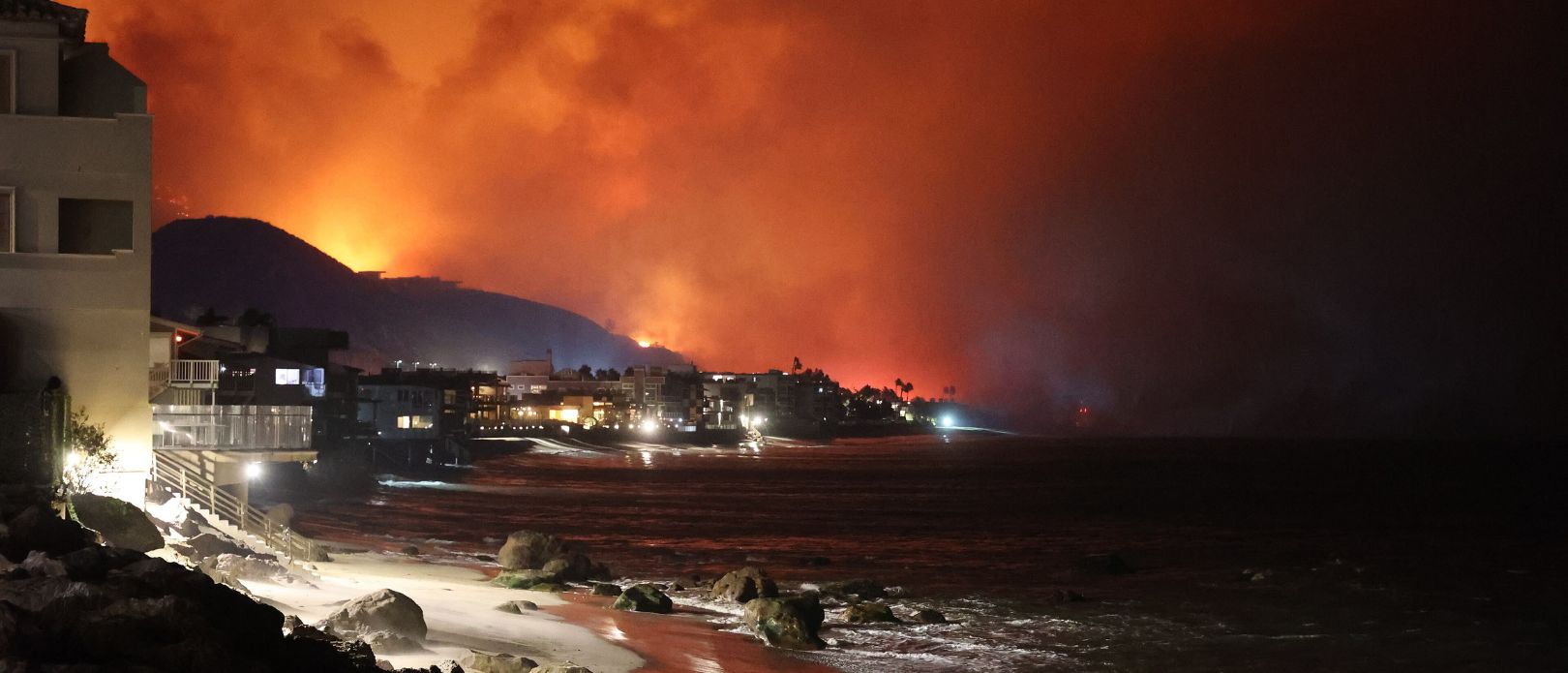
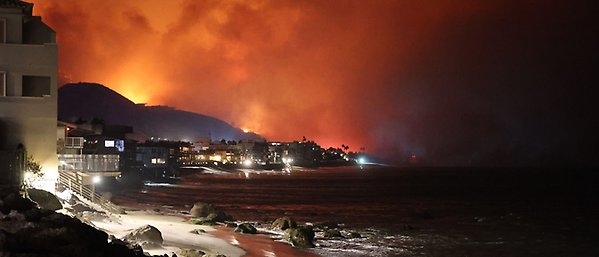
The Palisades Fire that started in the City of Los Angeles, January 2025. Photo: CAL FIRE_Official via Flickr
The emerging concept of ‘polycrisis’ can be instrumental for decision-making and transformations in a world of unprecedented planetary stress. But it should be used with clarity and care, shows a new study with 50 top experts published ahead of World Economic Forum in Davos.
The term polycrisis rapidly entered economic, political, and corporate strategy dialogues since it first started being used in Davos three years ago. Covid-19, climate change, Russia’s invasion of Ukraine and other interacting crises, had sparked a need for frameworks that could account for systemic interactions. Yet the meaning of the concept has remained unclear, and its operational value uncertain. Is it just a new buzzword?, many ask.
A research group from the Stockholm Resilience Centre and The Global Economic Dynamic and the Biosphere programme (GEDB) at the Royal Swedish Academy of Science, interviewed fifty research experts and carried out an analysis to unpack the current and possible future use of the concept.
Polycrisis thinking can be a compass in a world where disruptions are persistent, systemic, and deeply interwoven, but it should be used with clarity and care.
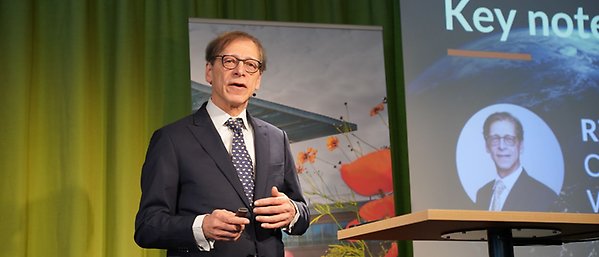
Centre researcher Louis Delannoy
The research identifies four coherent perspectives on polycrisis that span analytical, systemic, governance, and conceptual emphases. Despite differences, all perspectives affirm key features of polycrisis:
- Multiple, interconnected crises cutting across economies, ecologies, and societies
- Cross-border, cross-sectoral dynamics that defy siloed analysis
- A rejection of the notion that polycrisis is merely a buzzword — instead, it is seen as a real phenomenon shaping global risk landscapes.
“Polycrisis thinking can be a compass in a world where disruptions are persistent, systemic, and deeply interwoven, but it should be used with clarity and care”, says Centre researcher Louis Delannoy, corresponding author of the article published in Sustainability Science.
The authors further explain that one of the reasons explaining the various interpretations of the term is that, unlike the concept of Anthropocene, polycrisis was first mainstreamed as a policy slogan and only later circled back into scholarship. That reversal has left the word with several, sometimes conflicting, meanings—each capable of steering decisions in markedly different directions.
 Zoom image
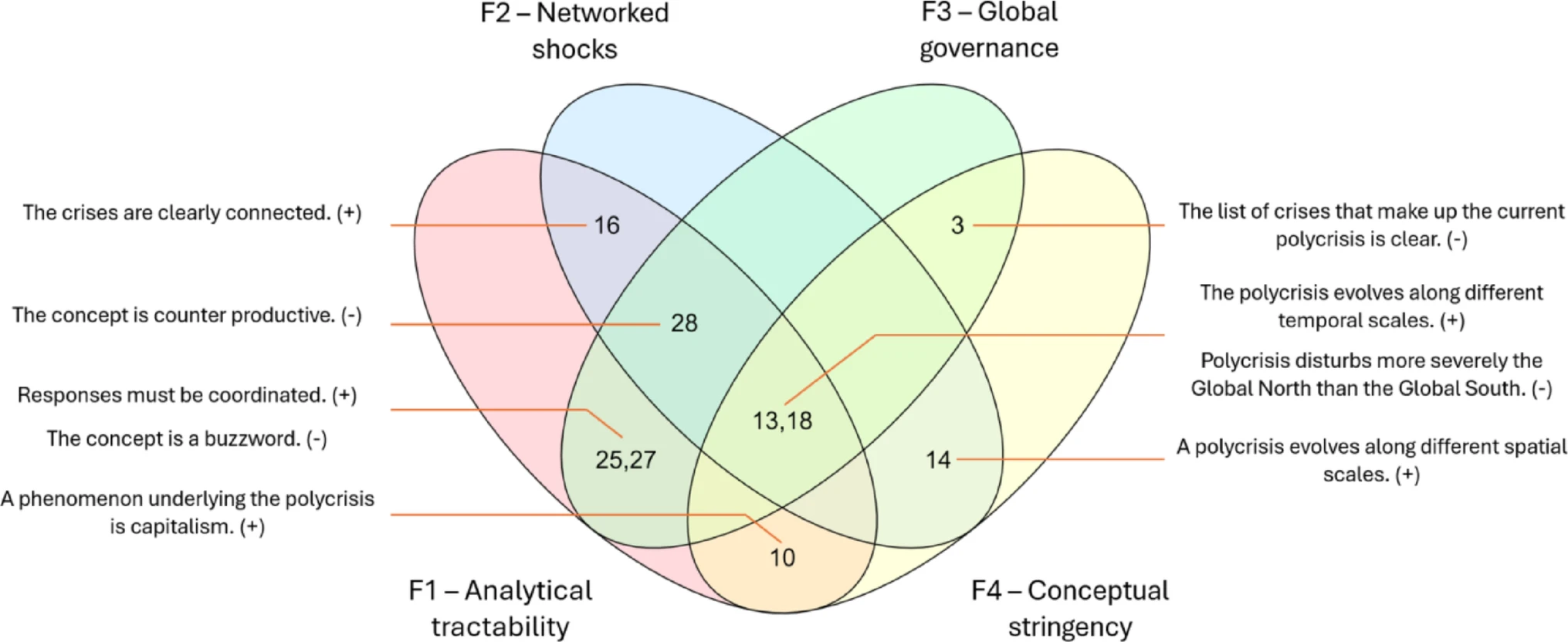
Intersections of consensus statements between factors. Numbers inside the ovals refer to the IDs of the Q-statements (see Table 2). Consensus statements are defined as those where selected factors either strongly agree (≥ 3) or strongly disagree (≤ − 3), with a maximum score difference of 1 across those factors. Sign between parentheses indicated positive agreement ( +) or negative agreement (-). High-resolution colour figure available in the online article
The study concludes that the use of the polycrisis concept should further be rooted in the work of the French researcher and philosopher Edgar Morin: to hold crisis and transformation in the same analytical frame.
“Using ‘polycrisis’ casually—without clarity on its lineage or stakes—risks turning it into yet another catch-all cliché. Only then can polycrisis serve as a rigorous lens for navigating both the perils and the prospects of our intertwined futures", the research group write.
Read More than a buzzword? Mapping interpretations of the 'polycrisis' »
Delannoy, L., Leveugle, J.-C., Maniatakou, S., Søgaard Jørgensen, P. 2025. More than a buzzword? Mapping interpretations of the 'polycrisis'. Sustainability Science.
-
.png)
The dynamics of polycrisis: Lessons from 50 years of global shocks
An analysis of 50 years of data from 175 countries shows that shocks tend to co-occur more frequently in certain regions, such as Asia and Africa. Climatic, technological, and conflict-related shocks also often coincide, highlighting the need for smarter crisis management to prevent these shocks from amplifying one another.
-

New research maps 14 potential evolutionary dead ends for humanity and...
Humankind risks getting stuck in 14 evolutionary dead ends, ranging from global climate tipping points to misaligned artificial intelligence, chemical pollution, and accelerating infectious diseases