
Phone: +468 16 2000
Organisation number: 202100-3062
VAT No: SE202100306201
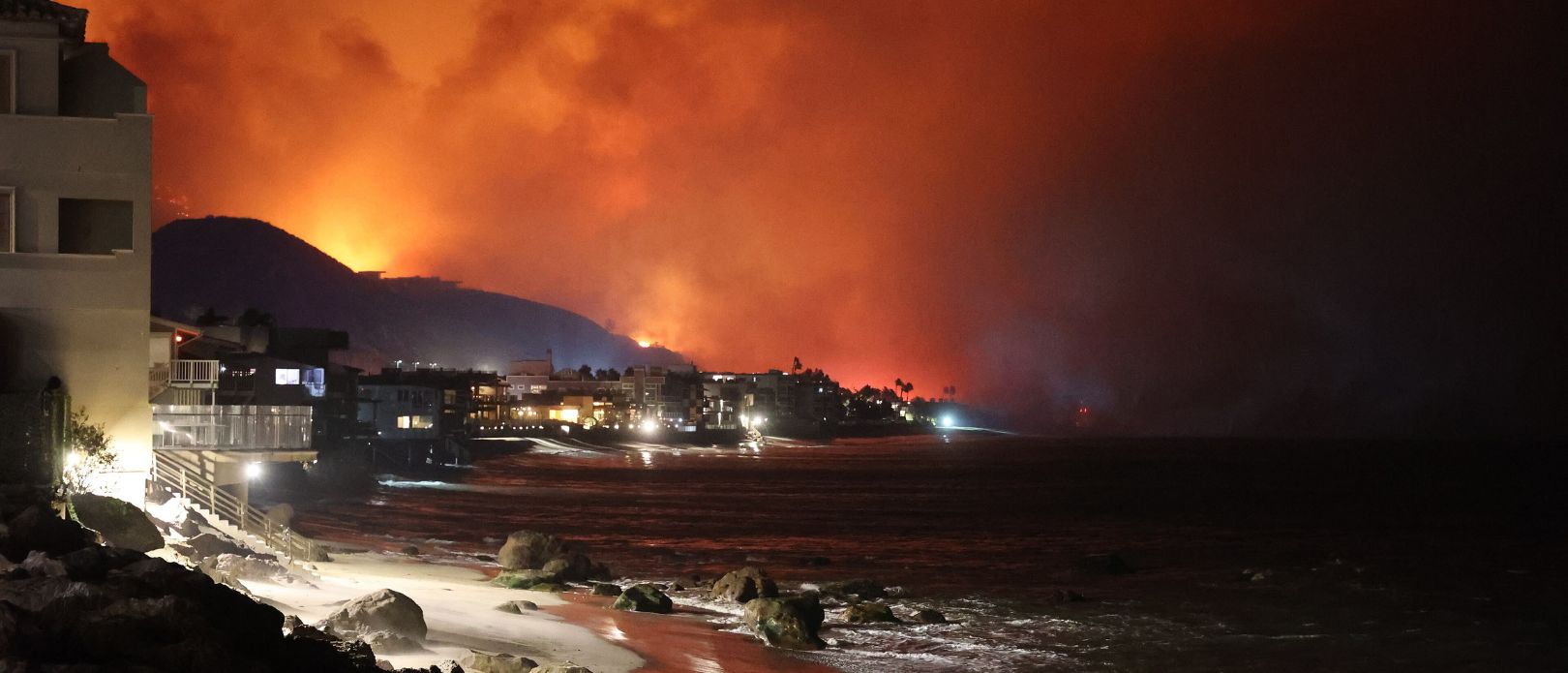
Research story | 2026-01-21
The emerging concept of ‘polycrisis’ can be instrumental for decision-making and transformations in a world of unprecedented planetary stress. But it should be used with clarity and care, shows a new study with 50 top experts published ahead of World Economic Forum in Davos.
-2.png)
Research story | 2025-12-09
A unique study shows that sub-Saharan Africa has lost nearly a quarter of its biodiversity since pre-industrial times, and that large mammal populations have decreased by more than 75%. Crucially, 80% of the remaining wild plants and animals live outside formally protected lands, which, according to the study, means we fundamentally have to shift where and how we think about biodiversity conservation in Africa.
.png)
General news | 2025-12-08
What does it mean to live in a world where humans dominate and reshape Earth on a planetary scale? This was the central theme of The Anthropocene Paradigm Shift, a one-day symposium held at the Royal Swedish Academy of Sciences.
.png)
General news | 2025-11-06
A team of researchers from Stockholm Resilience Centre will attend COP30 in Belém – to engage in dialogues and highlight new scientific insights - including the flagship report: “Resilience Science Must-Knows”.
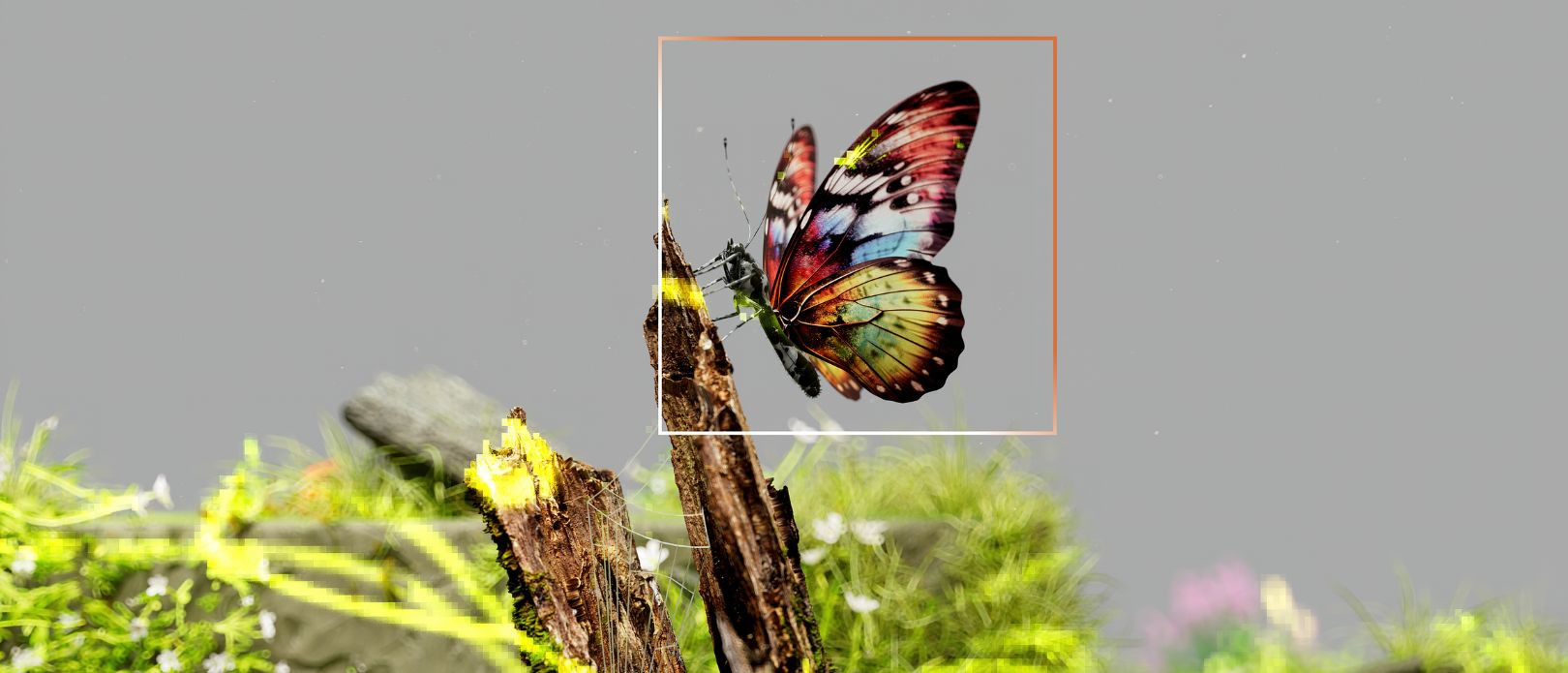
Research story | 2025-11-05
Artificial intelligence (AI) is reshaping almost every aspect of society. Now, a new international report argues it could also help accelerate science and research about climate change, biodiversity loss, and other urgent crises related to planetary boundaries.
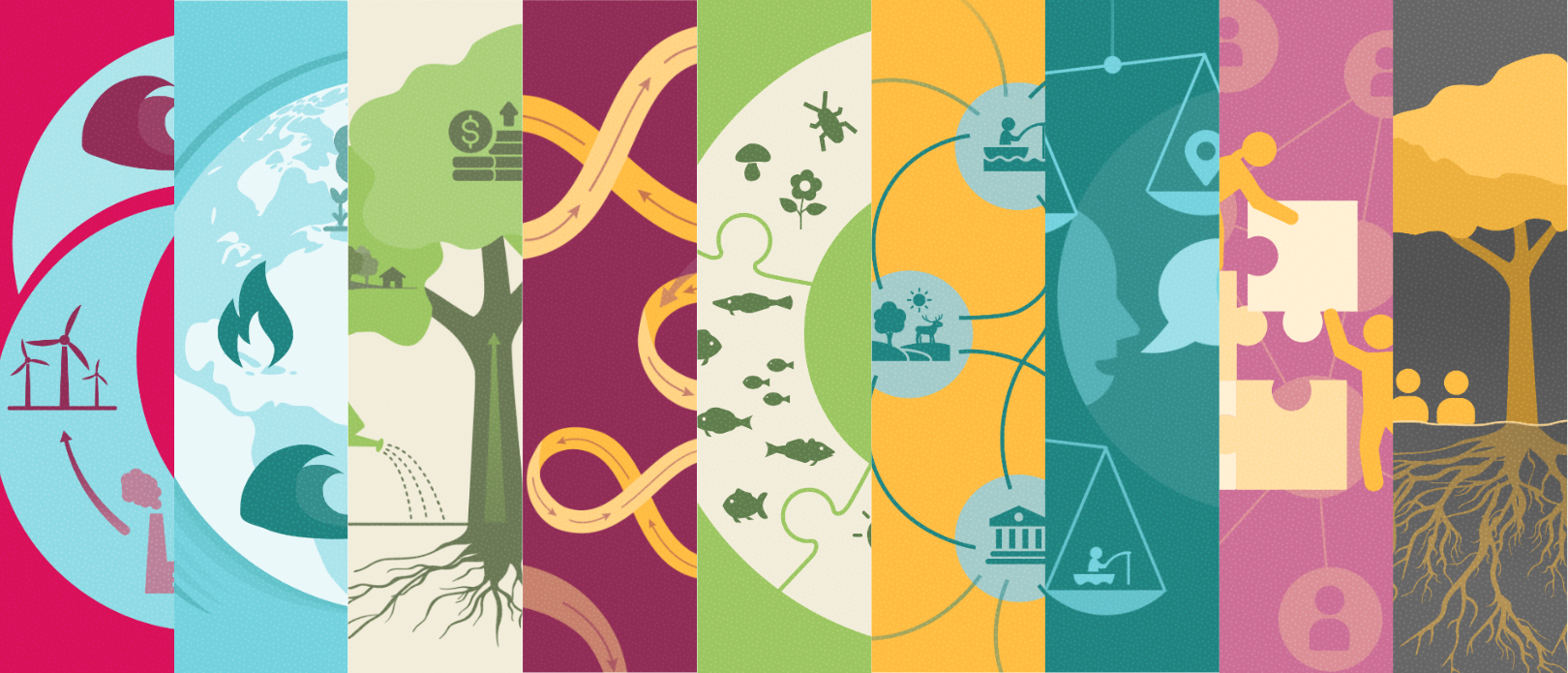
Research story | 2025-11-04
As the world approaches critical tipping points, a comprehensive global scientific report shows that resilience — the ability to live and develop with change and crises — must now be placed at the heart of global decision-making.
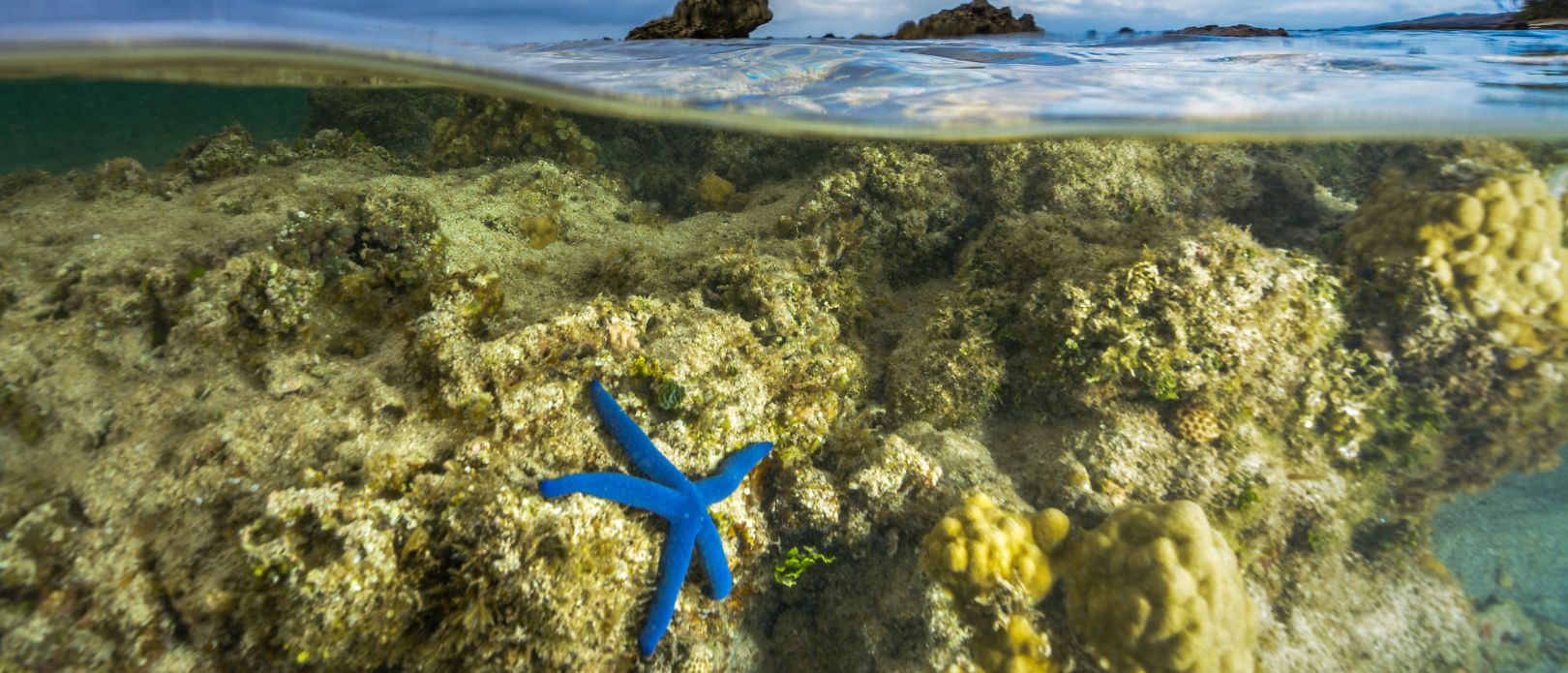
Research story | 2025-10-30
Ahead of the climate summit COP30 in Brazil, this year’s '10 New Insights in Climate Science' calls for delivery as the world can no longer afford new promises without action
Research story | 2025-10-27
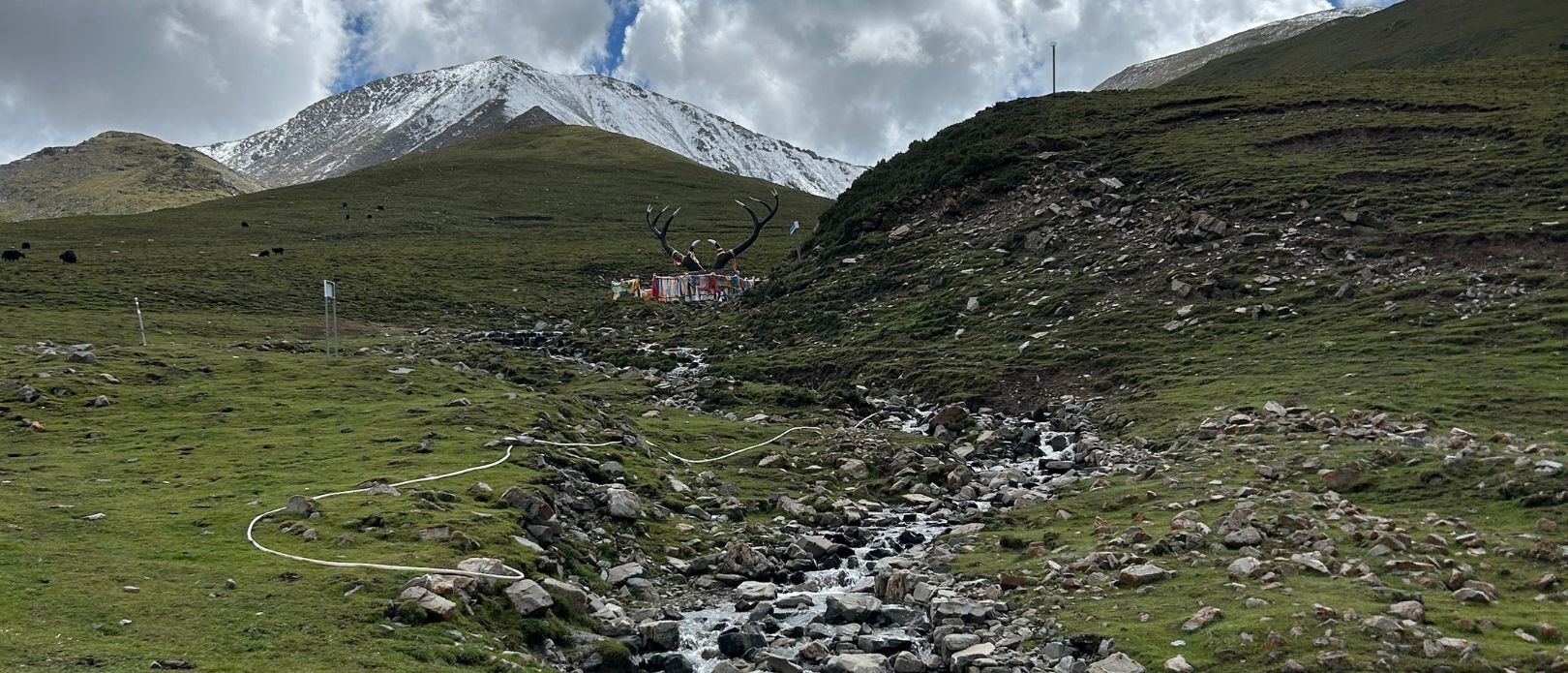
Chinese cities, farms, and conservation zones all compete for limited land, while rising temperatures, land degradation, and erosion threaten local livelihoods. A new study in Huangshui River Basin, by an international team of researchers, shows how decision-makers on local and national level can collaborate better and create more resilient societies.
Research story | 2025-10-24
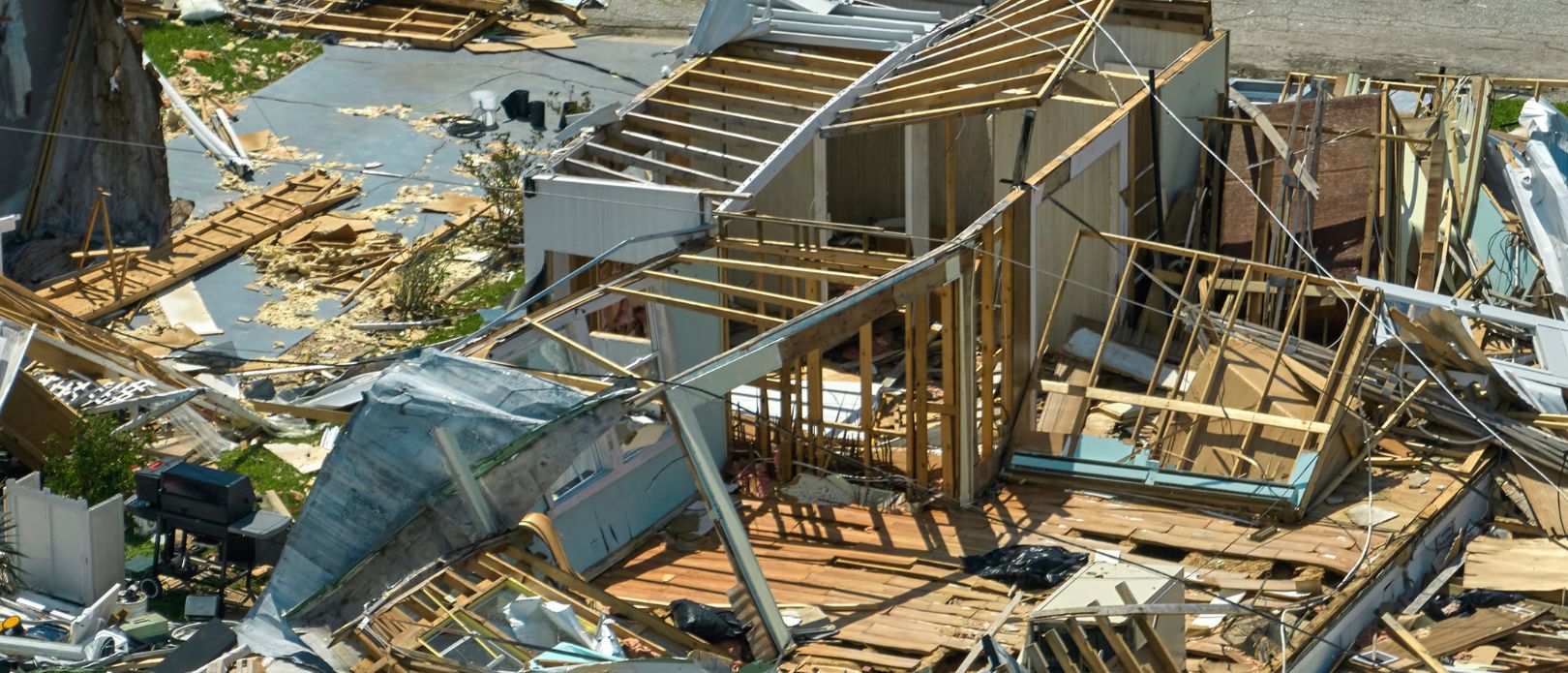
When large climate impacts hit people and ecosystems, how can academics help communities build back better? A good start is by collecting accurate data on past events.
.png)
Research story | 2025-10-23
Forests play a crucial role in providing precipitation to agricultural areas, importantly supporting crop production and global trade activities. A recent study from the Centre, published in Nature Water, emphasises that to manage global food risks, it is essential to conserve forests located upwind of agricultural regions.
.png)
Research story | 2025-10-13
Widespread mortality of warm-water coral reefs is now underway as the world reaches its first climate tipping point. The Global Tipping Points Report 2025, released today by the University of Exeter and international partners including the Stockholm Resilience Centre, underlines that the only way to avert catastrophe is to act urgently, triggering so-called “positive tipping points.”
.png)
Research story | 2025-10-03
Five of the seven breached planetary boundaries are linked to food systems. By transforming production and adopting a “planetary health diet,” we can halve food-related climate emissions and prevent millions of deaths, according to the 2025 EAT-Lancet Commission.
.png)
Research story | 2025-09-25
Rising seas due to climate change threaten China’s rapidly developing coasts. However, coastal policy decisions will shape who and what is exposed to those rising seas and how much the land sinks, a new research paper published in Nature reveals. “Climate change is global, but coastal risk plays out locally”, the international team of Chinese and European researchers emphasize.
.png)
General news | 2025-09-24
A major new scientific review, “Planetary Health Check 2025”, shows that seven of nine planetary boundaries have now been exceeded. For the first time, this also includes the boundary for ocean acidification. This means that several of Earth’s life-supporting systems risk crossing critical thresholds, with severe consequences for both ecosystems and societies.
.png)
Research story | 2025-09-19
Finance actively shapes the Earth. By steering flows of money, providing insurance, and controlling costs of credit the financial system promotes activities and builds infrastructure than can either erode or enhance nature.
.png)
Research story | 2025-09-15
Cod in the Barents Sea, tuna across the high seas, and herring in the Baltic may seem like separate stories. Yet they highlight a common problem: overfishing continues not because there are no rules, but because of how governance, power, and cooperation function around them. A new thesis shows that the sustainability of industrial fisheries depends as much on trust, transparency, and collective action as on quotas and stock assessments.
.png)
Research story | 2025-09-08
The world’s largest ocean-based companies – from shipping giants to seafood multinationals – are failing to disclose the full extent of the damage their operations cause to the seas, according to a new global study.
.png)
Research story | 2025-08-27
About 20% and 50% of the freshwater required for soy and beef exports to China and the EU rely on river basins in Brazil with high or critical water scarcity. New research published during the World Water Week in Stockholm recommends actions to stay within the planetary boundaries of fresh water.
.png)
Research story | 2025-08-19
An analysis of 50 years of data from 175 countries shows that shocks tend to co-occur more frequently in certain regions, such as Asia and Africa. Climatic, technological, and conflict-related shocks also often coincide, highlighting the need for smarter crisis management to prevent these shocks from amplifying one another.
.png)
Research story | 2025-08-18
More than half of the world’s land is under environmental strain that could make it harder for nature to keep supporting human life, according to a major new study.
Phone: +468 16 2000
Organisation number: 202100-3062
VAT No: SE202100306201